News
Trump Rejects Iran’s Seven-Day Hormuz Proposal as Pressure on Global Oil Route Continues
Iran offered a seven-day roadmap to reopen the Strait of Hormuz and resume negotiations, but President Donald Trump says he has rejected the proposal.
Staff Writer
Sep 26, 2026
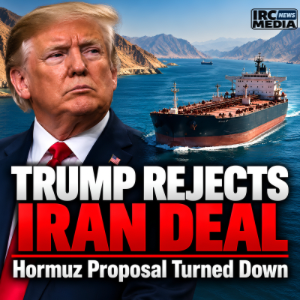
President Donald Trump has publicly rejected an Iranian proposal that Tehran said could have reopened the Strait of Hormuz to normal maritime traffic within seven days, closing — at least for now — one of the clearest diplomatic paths offered to ease disruption affecting one of the world's most important energy routes.
“I reject their proposal,” Trump told reporters outside the White House Saturday, according to AFP reporting. “They made a proposal but I've rejected it.”
The president's public comments clarify what earlier Saturday remained a developing report. Reuters reported that Iran was still awaiting an official American response after The Wall Street Journal, citing unnamed U.S. officials, reported that Trump had rejected the offer. Trump's statement now makes the rejection public.
WHAT IRAN OFFERED
Iranian Foreign Minister Abbas Araghchi outlined what he called a “concrete” seven-day proposal while attending the United Nations General Assembly in New York. According to Araghchi, Iran transmitted the proposal to Washington through Qatar.
Reported Iranian demands include lifting the U.S. naval blockade of Iranian ports, providing sanctions relief for Iranian oil exports, releasing approximately $12 billion in frozen Iranian assets and observing a broader regional ceasefire. Iran says that after those conditions were met, normal maritime traffic through the Strait of Hormuz could resume within the seven-day period and negotiations between Washington and Tehran could begin on a broader agreement, potentially including Iran's nuclear program.
WHY TRUMP SAYS NO
Trump suggested Saturday that he believes Washington currently holds the stronger negotiating position. He told reporters Iran wants an agreement because of the pressure it is facing and said he remains open to making a deal, despite rejecting Tehran's current proposal.
Trump's rejection does not necessarily mean diplomacy between Washington and Tehran has ended. It means the administration has rejected the terms Iran placed on this particular seven-day roadmap.
WHY THE STRAIT OF HORMUZ MATTERS
The Strait of Hormuz is the narrow maritime passage connecting the Persian Gulf with the Gulf of Oman and the Arabian Sea. Before the current conflict and shipping disruptions, roughly one-fifth of globally traded oil and natural gas moved through the waterway.
Restrictions or threats to shipping can increase oil prices, tanker insurance rates and transportation costs throughout the global economy.
FLORIDA DRIVERS ARE ALREADY FEELING THE ENERGY PRESSURE
For Floridians, the most immediate connection is at the gas pump. AAA reported Saturday that regular gasoline is averaging approximately $4.40 per gallon in Florida.
That's down slightly from Friday but substantially higher than the approximately $3.92 statewide average one month ago and roughly $2.99 a gallon one year ago. Diesel remains even more expensive, averaging approximately $6.13 per gallon statewide.
AAA has identified continued volatility surrounding the Strait of Hormuz and elevated crude-oil prices as factors keeping American gasoline prices unusually high for this time of year. Higher diesel and transportation costs can eventually affect trucking, agriculture, construction, shipping and consumer goods throughout Florida.
WHAT HAPPENS NEXT
Iran has presented its terms. Trump has rejected them.
What isn't clear is whether Washington will make a counteroffer, whether Tehran will modify its proposal or whether the diplomatic opening will close entirely. Trump's comments Saturday leave some room for continued negotiations because the president simultaneously rejected Iran's current proposal while saying he remains interested in making a deal.
For now, the seven-day path Tehran proposed for reopening the Strait of Hormuz does not have U.S. approval. For Florida consumers already facing gasoline prices well above last year's levels, what happens thousands of miles away in the Strait of Hormuz could continue showing up on signs at gas stations here at home.

IRC Media uses aggregated public data and verified sources; articles reviewed by editorial team to the best of our ability.