U.S.
Republicans Lose Congress: What Trump's Final Two Years Could Mean for America and the World
Democrats sweep the 2026 midterms, leaving President Trump facing a divided Washington as the war with Iran, negotiations over Ukraine and economic pressures shape the remainder of his presidency.
Staff Writer
4 de nov. de 2026
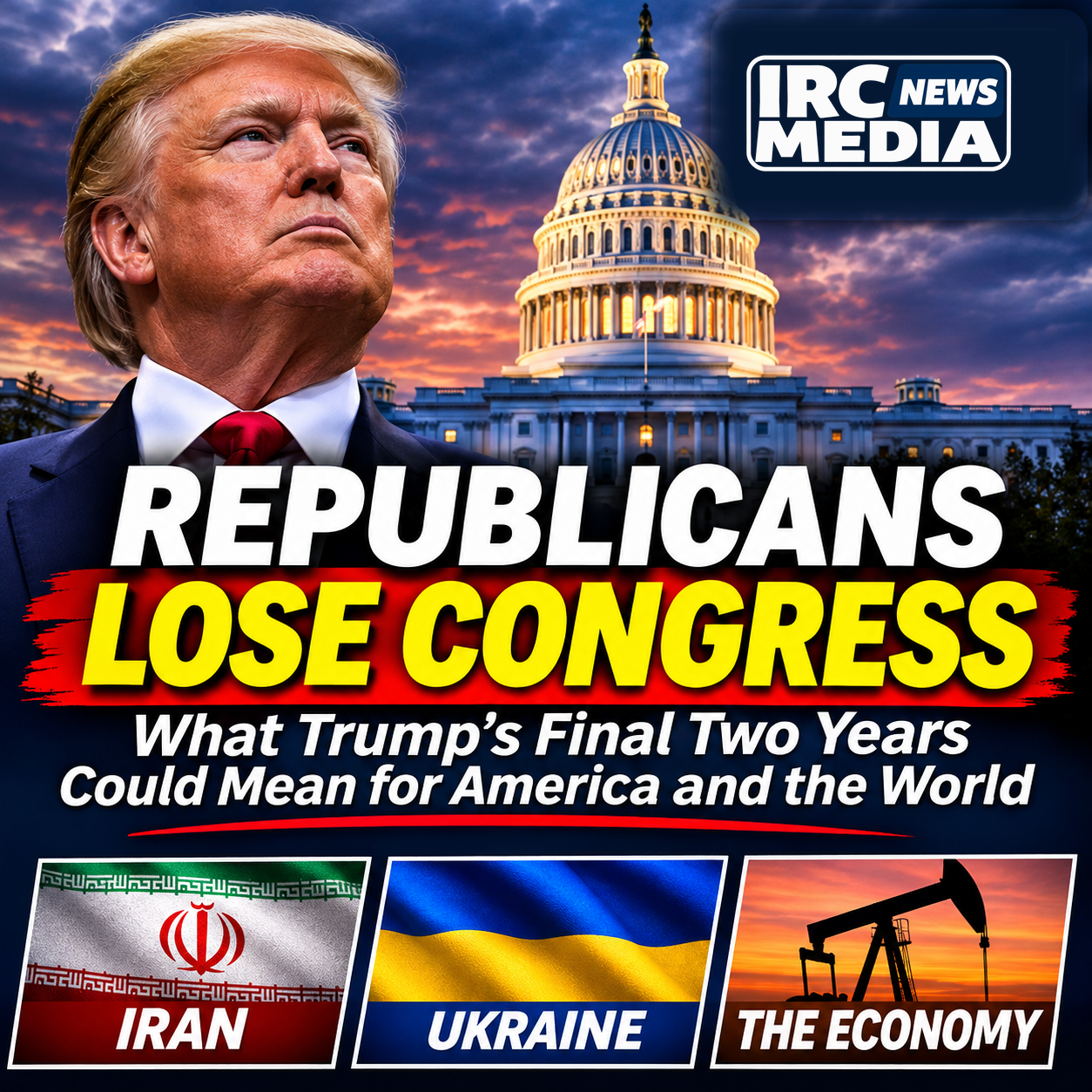
The American political landscape changed dramatically Tuesday night as voters handed Democrats control of both chambers of Congress, ending the Republican Party's hold on Washington and presenting President Donald Trump with a considerably different political reality for the final two years of his second term.
The November 3 midterm elections produced Democratic victories not only in traditional battleground states but also in territory that Republicans had long considered reliably conservative. The results raise serious questions about the future of Trump's domestic agenda, the direction of the Republican Party and the ability of the United States to manage two major international conflicts.
For Republicans, the immediate question is how a party that entered the elections controlling the White House and Congress now moves forward after losing its congressional majorities.
For Americans, the bigger question may be what happens next.
A Republican Defeat That Went Beyond Expectations
Democrats flipped at least seven Republican-held Senate seats, including victories in Texas, Kansas, Iowa, Ohio, North Carolina, South Carolina and Maine.
In the House of Representatives, Democrats captured more than two dozen Republican-held districts, including several that supported Trump by double-digit margins in the 2024 presidential election.
Democratic candidates also won governorships in several states previously controlled by Republicans.
The results represent more than the typical midterm difficulties experienced by a president's party. Republican losses extended into states and congressional districts where the party had demonstrated considerable electoral strength.
But an important distinction remains: A defeat for Republican candidates in 2026 does not necessarily mean voters have permanently abandoned conservative policies or embraced the Democratic Party's broader platform.
Voter research conducted by The Associated Press suggests dissatisfaction with both political parties remains substantial, even as Democrats benefited from frustration with the president and his administration.
What Went Wrong for Republicans?
Economic concerns appear to have played a significant role.
Inflation, rising living expenses, tariffs and higher energy prices weighed on voters throughout the campaign. Although the administration has defended its economic policies, many Americans reported continuing difficulty affording necessities.
The ongoing conflict with Iran has compounded those concerns, particularly through its effects on fuel prices and international energy markets.
A September AP-NORC survey found that just 17 percent of American adults approved of Trump's handling of the cost of living, while 26 percent approved of his management of the economy.
The election also exposed concerns about presidential power.
The AP Voter Poll found that approximately seven in ten participating voters believed Congress was not doing enough to provide checks and balances on the presidency.
That does not mean every voter cast a ballot specifically against Trump. Local issues, individual candidates and state political conditions also contributed to the results.
Nevertheless, the nationwide pattern suggests that dissatisfaction with Washington played an important part in determining congressional control.
Trump's Final Two Years: A Different Kind of Presidency
President Trump remains commander in chief, retains the power to veto legislation and continues directing the executive branch.
However, the congressional landscape will change substantially when the newly elected Congress convenes January 3, 2027.
With Democrats controlling both chambers, the administration will face greater obstacles to passing major legislation without bipartisan negotiations.
The president's tax, spending, immigration and other domestic priorities could encounter resistance from congressional leaders who now control committee agendas and legislative schedules.
Democrats will also have expanded opportunities to investigate administration decisions, conduct oversight hearings and issue subpoenas.
Senate control gives Democrats significant influence over presidential nominations, including judicial appointments and senior executive positions requiring confirmation.
But congressional control does not automatically give Democrats the ability to reverse executive actions or enact their preferred policies.
Trump retains the veto, and Congress would generally need a two-thirds majority in both chambers to override it. The president also retains substantial executive authority, subject to constitutional and statutory limits.
The result could be two years of difficult negotiations, confrontations over federal spending and competing efforts to define the direction of the country ahead of the 2028 presidential election.
Iran: Could Election Results Change the War?
Perhaps no foreign-policy challenge presents a more immediate test than the continuing conflict between the United States and Iran.
The war, which began earlier this year, has imposed costs on the region and contributed to instability in international energy markets.
Diplomatic discussions aimed at ending the fighting have continued, but major disagreements remain between Washington and Tehran.
In recent days, Trump has raised the possibility of reaching an agreement while also maintaining the option of additional military action.
The midterm results introduce new political pressures.
An opposition-controlled Congress could demand greater accountability for military operations, examine the financial costs of the conflict and pursue legislative measures intended to limit or condition further involvement.
Congress controls federal appropriations and possesses important war-related powers, but the president retains substantial authority over military operations. The scope of those competing authorities may become a central dispute.
The election also creates competing incentives for Iran.
Iranian leaders could interpret Republican losses as evidence that Trump faces increasing pressure to reach an agreement. Alternatively, Tehran could conclude that the administration's weakened domestic political position gives Iran additional negotiating leverage.
Neither outcome is guaranteed.
The immediate questions are whether diplomatic negotiations can produce a durable agreement, whether additional military operations will occur and whether the United States can reduce the economic consequences of the conflict.
For American consumers, developments in the Persian Gulf remain important because disruptions to oil supplies and shipping can influence fuel and transportation costs.
Ukraine: A New Congress Could Reshape America's Role
The war between Russia and Ukraine presents another major foreign-policy challenge.
The Trump administration has pursued diplomatic negotiations involving Moscow and Kyiv, while maintaining a complicated relationship with both governments over sanctions, military assistance and the conditions necessary for peace.
Additional discussions involving the United States, Russia and Ukraine have been planned for November.
A Democratic-controlled Congress may seek a more active role in determining American assistance to Ukraine and examining the administration's approach toward Russia.
Lawmakers could attempt to increase military assistance, attach conditions to spending legislation or challenge decisions involving Russian energy sanctions.
However, congressional action would still require navigating the president's veto authority, competing spending priorities and differences over the appropriate American role in the conflict.
The central diplomatic disagreements remain difficult.
Any agreement must address questions surrounding occupied Ukrainian territory, security guarantees and the conditions under which fighting would stop.
There is also a distinction between an agreement that temporarily stops military operations and one that establishes a lasting peace.
The midterm elections do not resolve those disputes, but they could change how Washington approaches them.
What Happens to the Republican Party?
Republicans now face decisions extending beyond their immediate minority status in Congress.
The election raises questions about candidate selection, the party's appeal to independent and moderate voters and the relationship between Trump's political movement and the Republican Party's future.
Republican leaders must also consider how they approach the next two years.
Some may favor continued close alignment with the president and resistance to Democratic legislative priorities.
Others may argue that rebuilding congressional support requires greater attention to economic concerns, local issues and voters who supported Republican candidates in previous elections but shifted toward Democrats in 2026.
Trump remains the central figure in the Republican White House, but the 2028 presidential election will require the party to select a new nominee.
That process could intensify disagreements over leadership, policy and the political direction Republicans want to pursue after his presidency.
The Next Two Years Will Test Both Parties
Democrats have secured congressional control, but that victory creates expectations of its own.
Voters who demanded lower living costs, greater accountability and a more effective Congress will now have an opportunity to judge whether Democratic leadership delivers meaningful results.
Republicans, meanwhile, will attempt to defend their policies, rebuild voter support and determine how to operate with a Democratic majority controlling the legislative branch.
Major confrontations over federal spending, oversight, nominations and foreign policy are possible.
Yet bipartisan agreements remain possible as well, particularly where lawmakers identify shared national interests.
The course of the Iran conflict, negotiations over Ukraine and the strength of the American economy will all influence the political environment heading toward 2028.
The 2026 midterms settled who will control Congress.
They did not settle what Washington will accomplish over the next two years.
For President Trump, congressional Democrats and the Republican Party preparing for its next chapter, the consequences of Tuesday's election are only beginning.
Did you say food review? IRC Media’s Food Review is coming soon—stay tuned as we explore local restaurants and share what we find.
Advertisement